Manual Therapy
Manual Therapy
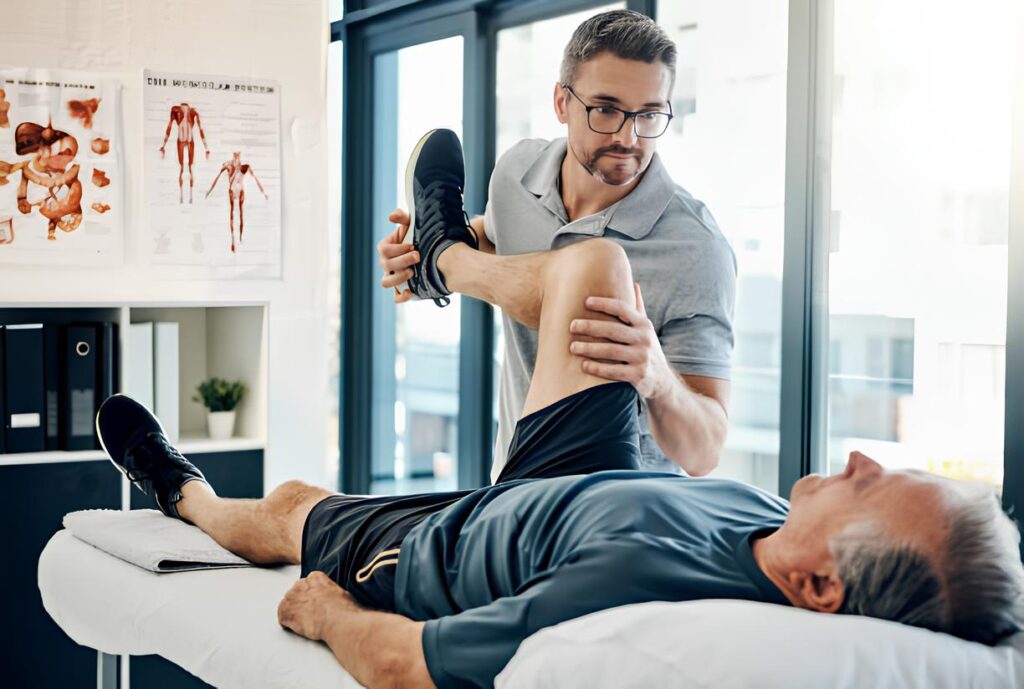
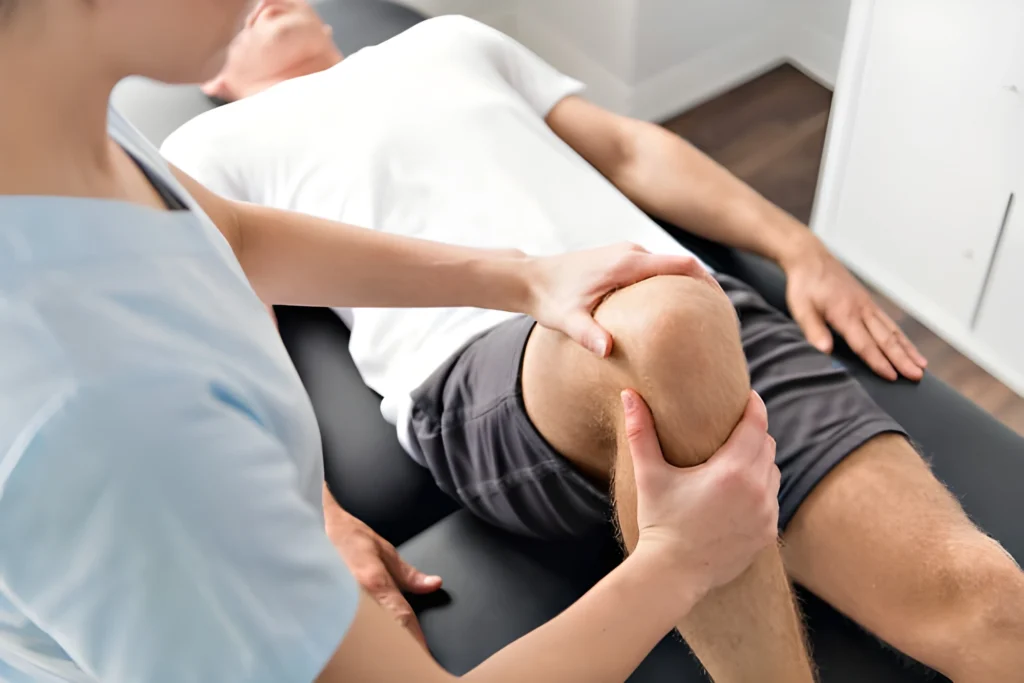
Manual therapy is a specialised area of physiotherapy where clinicians use precise, skilled hand movements to assess and treat soft tissues and joint structures. Rather than relying solely on machines or exercise, manual therapy harnesses the therapist’s trained hands to diagnose movement restrictions, restore joint mechanics, and alleviate pain. It is supported by a robust body of clinical evidence and forms the cornerstone of many physiotherapy treatment programmes.
The Treatment You Get
- Neck pain
- Back pain
- Shoulder impingement
- Frozen shoulder
- Hip stiffness
- Knee osteoarthritis
- Ankle sprains
- Tennis elbow
- Headaches
- Postural dysfunction
TECHNIQUES & PROCESS
1. Joint Mobilisation
Passive, rhythmic movements at varying speeds and amplitudes to improve joint glide and reduce stiffness.
2. Soft Tissue Massage
Targeted effleurage, petrissage, and friction techniques to release fascial restrictions and improve muscle extensibility.
3. Myofascial Release
Sustained pressure applied to fascial connective tissue to eliminate pain and restore motion
4. Neural Mobilisation
Gentle nerve-gliding techniques to free adhered neural tissue and reduce referred pain or tingling.
5. Trigger Point Therapy
Direct pressure on hyperirritable muscle knots to deactivate referred pain patterns.
KEY BENEFITS
FREQUENTLY ASKED QUESTIONS
Is manual therapy painful?
Manual therapy should not be severely painful. You may experience some temporary discomfort — a ‘good hurt’ sensation — as restricted joints and tight soft tissues are worked on, but this is normal and should ease quickly. Your therapist will always work within your comfort level and adjust pressure based on your feedback.
How many sessions will I need?
Most acute injuries respond within 3–6 sessions. Chronic or more complex conditions may require 6–12 sessions. Your physiotherapist will set realistic goals and reassess your progress regularly — you should notice meaningful improvement by your third or fourth appointment.
What should I wear?
Wear loose, comfortable clothing that allows easy access to the area being treated. For lower back or hip issues, shorts or loose trousers are ideal. For shoulder or neck problems, a vest or loose-fitting top works well.
Can manual therapy help with old injuries?
Absolutely. Manual therapy is highly effective for old injuries where scar tissue, joint stiffness, and compensatory movement patterns have set in over time. Techniques such as myofascial release and joint mobilisation can significantly improve tissue mobility even years after the original injury.
Is there anyone who shouldn't receive manual therapy?
Manual therapy is safe for the vast majority of patients, but contraindications include active fractures, serious bone diseases, certain vascular conditions, active infections at the treatment site, and some inflammatory arthritis flare-ups. Your physiotherapist will conduct a thorough assessment before commencing treatment.