Medical Foot Care

Why Foot Health Matters

Your feet carry your entire body weight with every step you take — yet foot health is one of the most overlooked aspects of overall wellbeing. Neglected feet can cause pain and discomfort that radiates upward through the ankles, knees, hips, and lower back, affecting how you move, your posture, and your quality of life.

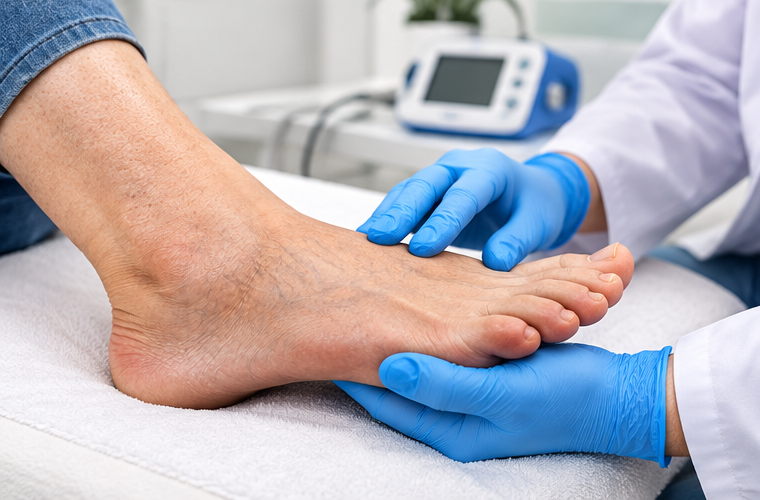
Our clinically delivered foot care service brings professional-grade treatment directly to our patients in a clean, comfortable clinical environment. Whether you need routine nail and skin care, treatment for a specific foot condition, or specialist support as part of managing a medical condition such as diabetes, Our team is here to help.

OUR SERVICES

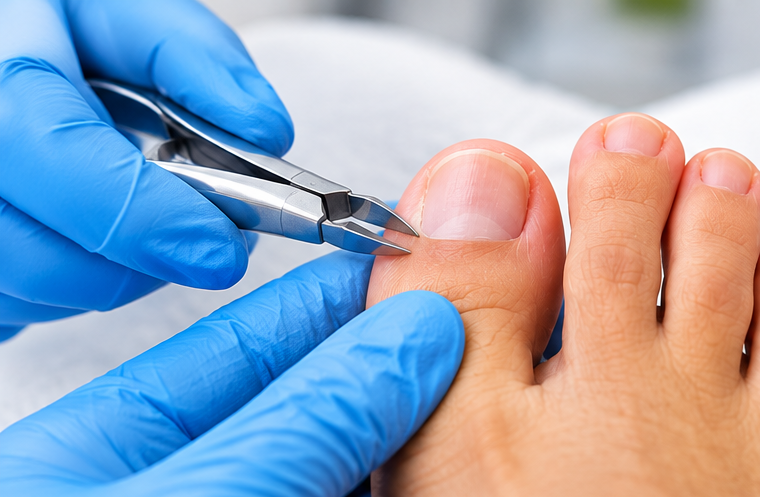
Nail Care & Trimming

Nail Care & Trimming

Professional cutting, filing, and shaping of toenails using sterile clinical instruments. Particularly beneficial for patients who find self-care difficult due to reduced mobility, arthritis, poor vision, or thickened nails.

Callus & Hard Skin Removal

Callus & Hard Skin Removal

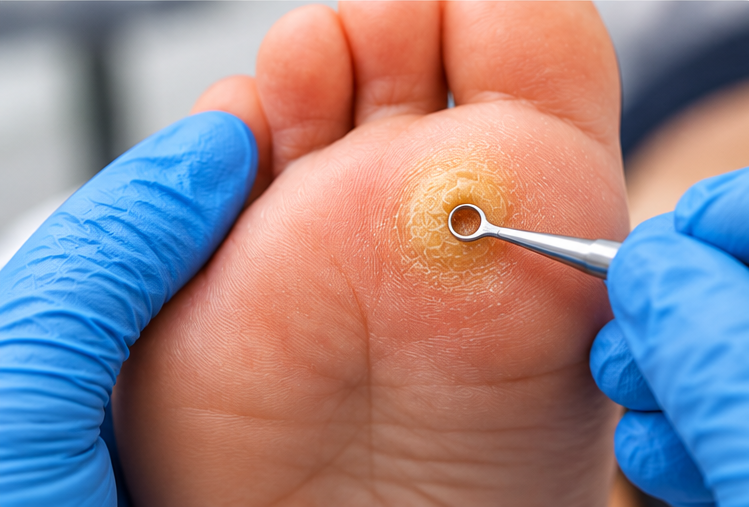
Safe, painless removal of calluses and areas of thickened hard skin using professional debridement techniques. Restores comfort, improves foot appearance, and prevents pressure sores from developing beneath hardened skin.

Corn Removal

Corn Removal

Clinical enucleation of corns — small, localised areas of concentrated hard skin caused by repeated pressure or friction. Corns can cause significant pain with walking and are safely removed without cutting the skin or causing bleeding.

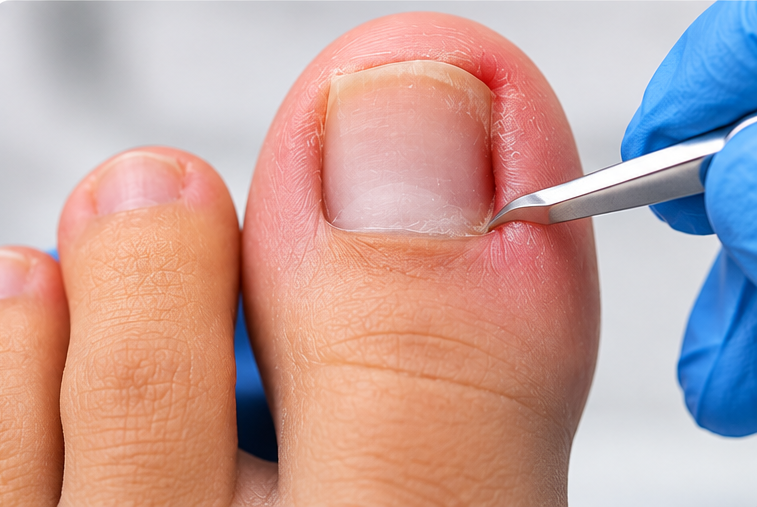
Ingrown Toenail Treatment

Ingrown Toenail Treatment

Careful assessment and management of ingrown toenails, including gentle removal of the problematic nail edge and advice on prevention. For severe or recurring cases, referral for minor nail surgery can be arranged.

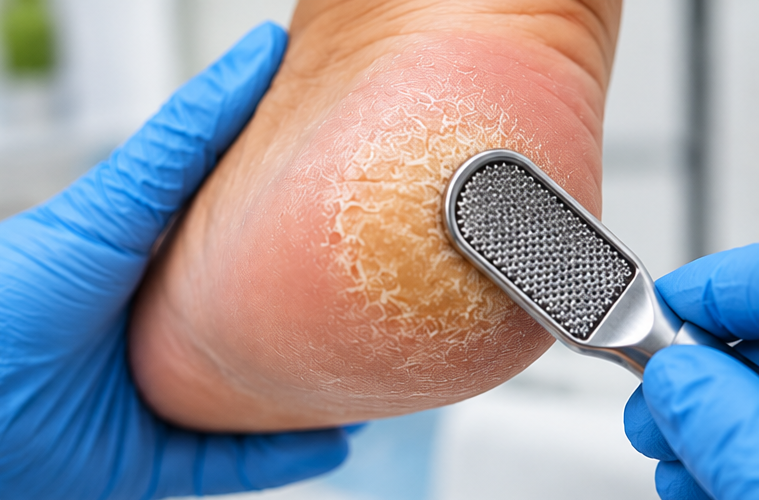
Dry & Cracked Heel Treatment

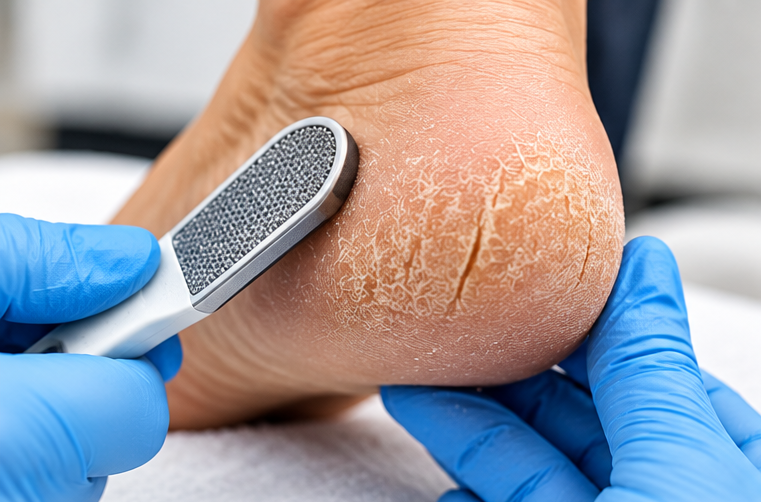
Dry & Cracked Heel Treatment

Targeted treatment for dry, fissured heels — one of the most common and uncomfortable foot complaints. Includes professional debridement of dead skin, moisturising treatment, and a personalised home care routine to maintain results.

Fungal Nail & Skin Assessment

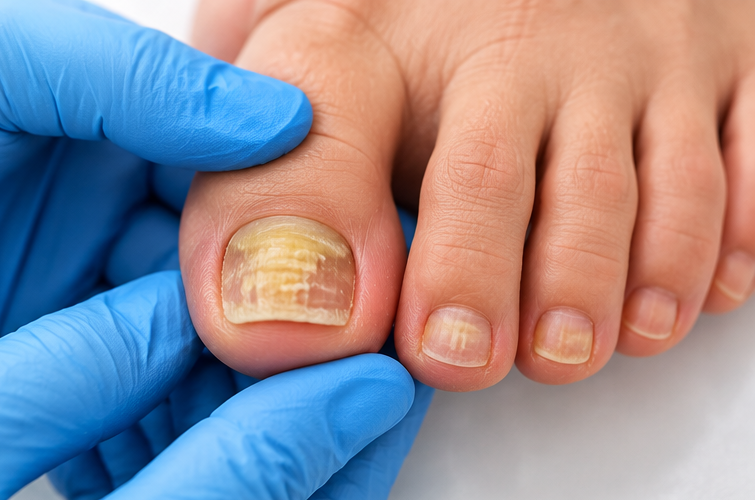
Fungal Nail & Skin Assessment

Clinical assessment of suspected fungal nail infections (onychomycosis) and athlete's foot (tinea pedis), with guidance on appropriate treatment pathways, topical therapies, and hygiene strategies to prevent spread and recurrence.

Diabetic Foot Care

Diabetic Foot Care

Specialised, gentle foot care for patients living with diabetes, who face an increased risk of foot complications due to reduced circulation and nerve sensation. Includes routine nail and skin care, vascular and neurological assessment, wound monitoring, and prevention-focused education.

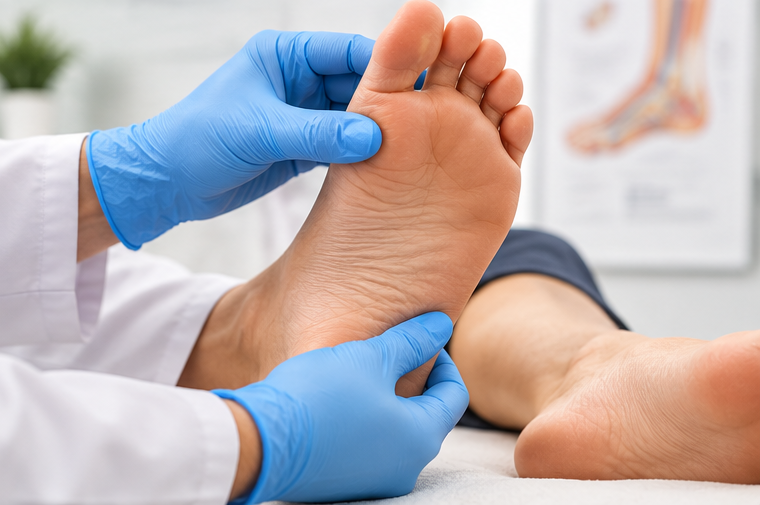
General Foot Health Assessment

A comprehensive foot health review covering skin condition, nail health, circulation, sensation, footwear assessment, and gait analysis. Ideal as a first appointment to establish your baseline and identify any areas requiring attention or monitoring.

KEY BENEFITS

Immediate relief from pain and discomfort
Safe treatment using sterile clinical instruments
Early detection of developing foot problems
Reduced risk of infection and complications
Specialist support for diabetes-related foot risks
Improved mobility and walking comfort
Prevention of pressure sores and ulceration
Personalised home care advice and education
Supports independent living in older adults
Integrated with our physiotherapy services

WHAT TO EXPECT

At Healing Arc, we combine clinical expertise with a personalized, patient‑centered approach. Your treatment may include:

1. Health history review

We begin with a brief discussion of your general health, any medical conditions (particularly diabetes, circulatory problems, or neuropathy), current medications, and your specific foot concerns.

2. Foot assessment

A thorough visual and physical examination of both feet, including the skin, nails, circulation, sensation, and any areas of concern such as corns, calluses, or nail abnormalities.

3. Treatment

The appropriate treatment is carried out using sterile, clinical-grade instruments. Nail trimming, hard skin removal, corn enucleation, and other procedures are performed with care and precision to ensure your comfort throughout.

4. Skin care & finishing

Where appropriate, a medical-grade moisturising treatment is applied to the feet, targeting dry or cracked areas and leaving the skin hydrated and comfortable.

5. Advice & home care plan

You will receive clear, personalised guidance on footwear, daily foot hygiene, moisturising routines, and any warning signs to watch for — empowering you to maintain healthy feet between appointments.

6. Follow-up planning

We recommend an appointment frequency based on your individual needs. Some patients benefit from regular 6–8 weekly appointments; others may only need occasional visits for specific concerns.

Your Foot Care Questions Answered

Is professional foot care only for elderly patients?

Not at all. While older adults make up a significant proportion of our foot care patients — often due to reduced mobility, arthritis, or circulation changes — our services are suitable for people of all ages. Active adults and athletes benefit from callus and hard skin management, runners and sports players
seek help with nail and skin problems, and younger patients come to us for ingrown toenail treatment or fungal conditions. If your feet are causing you discomfort or concern, professional foot care can help — regardless of your age.

No — professional corn and callus removal is entirely painless when carried out correctly. Corns are removed using a technique called enucleation, which involves carefully lifting out the core of the corn using a sterile scalpel. Because the procedure targets only the hard, dead skin — which has no
nerve supply — patients typically feel nothing more than gentle pressure. Most patients are pleasantly surprised by how comfortable the procedure is, particularly given how much relief they feel immediately afterwards.

Diabetes can affect the feet in two significant ways: peripheral neuropathy (reduced nerve sensation, meaning you may not feel cuts, blisters, or pressure sores) and peripheral arterial disease (reduced circulation, meaning wounds heal more slowly and are more prone to infection). This combination means that minor foot problems can become serious very quickly if left unmanaged. Professional foot care for diabetic patients involves not only routine nail and skin care, but also regular vascular and neurological screening, early identification of at-risk areas, and proactive wound management to prevent complications before they arise.

This depends on your individual needs. For routine nail and skin maintenance, most patients benefit from an appointment every 6 to 8 weeks — roughly in line with the natural nail growth cycle. Patients with diabetes or circulatory conditions are typically recommended to attend every 6 to 8 weeks as
standard, to ensure regular monitoring alongside their care. Patients with specific conditions such as fungal nail infections or persistent corns may need more frequent visits initially. At your first appointment, we will advise on the frequency that best suits your situation

In many cases, yes. The majority of ingrown toenails can be effectively managed without surgery through careful clinical treatment — gently lifting or removing the offending nail edge, clearing any debris from the nail groove, applying an appropriate dressing, and providing clear advice on footwear
and nail-cutting technique to prevent recurrence. For severe or repeatedly infected cases, we can refer you for a simple minor surgical procedure called a partial nail avulsion, which permanently prevents that section of the nail from regrowing and provides a long-term solution.

Very little preparation is needed. We ask that you wash your feet before attending your appointment and wear or bring comfortable footwear that is easy to remove. If you have any medical conditions, particularly diabetes, circulatory problems, or a blood-thinning medication, please let us know when
booking. If you have nail varnish applied, you may wish to remove it beforehand, as this allows us to assess the nails fully — though it is not essential. Simply arrive with clean feet and any relevant medical information, and we will take care of the rest.

Absolutely — and often dramatically so. Corns, calluses, ingrown nails, and thickened skin are surprisingly common sources of significant foot pain that many patients have simply learned to live with. Removing a corn or clearing a nail that has been pressing into the skin can produce an immediate and remarkable improvement in walking comfort. For patients whose foot pain has a biomechanical component — such as plantar fasciitis or pain related to flat feet or high arches — our foot care team works closely with our physiotherapy team to provide a comprehensive, integrated approach to treatment

Yes — infection control is a clinical priority. All cutting instruments used during your foot care appointment are either single-use and disposed of immediately after your session or fully sterilised between every patient using an autoclave — a medical-grade high-pressure steam sterilisation unit.
Scalpel blades are always single-use. The treatment couch and all surfaces are cleaned and disinfected between patients. You can attend your appointment with complete confidence in the clinical standards of our environment.

Scroll to Top