Physiotherapy

What Is Physiotherapy?
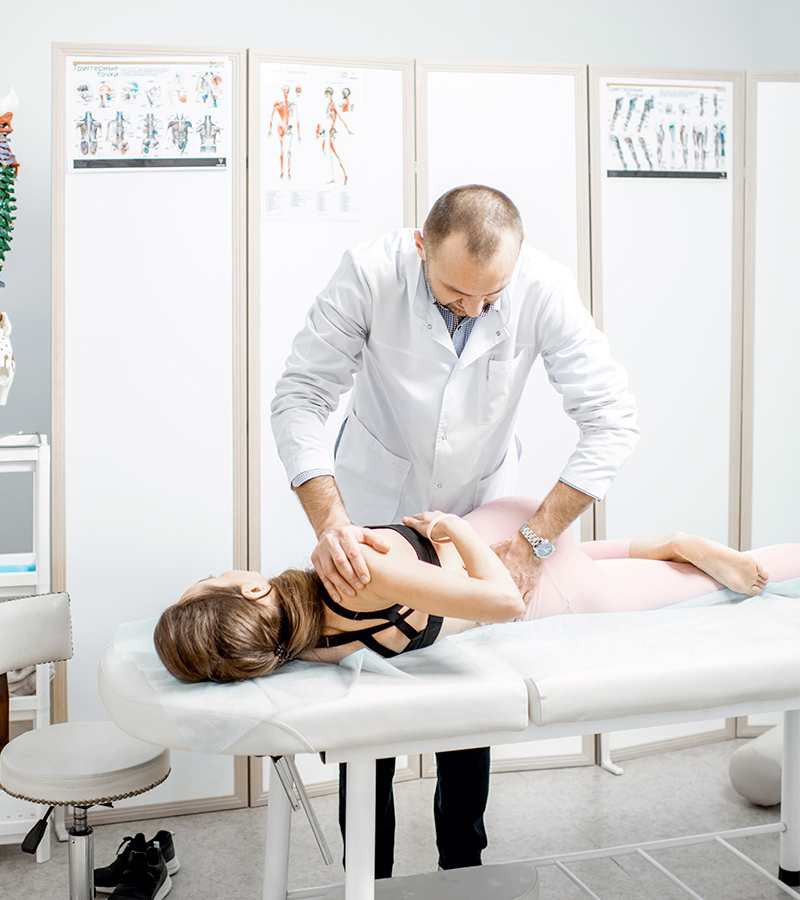
Physiotherapy is a science‑based healthcare profession focused on restoring movement, reducing pain, and improving overall physical function. It uses a combination of hands-on treatment, targeted exercises, education, and preventative strategies to help individuals recover from injuries, manage chronic conditions, and enhance their quality of life.
At Healing Arc, physiotherapy is more than just treatment—it’s a partnership. We work with you to understand your goals, identify the root cause of your symptoms, and create a personalized plan that supports long‑term healing and resilience.
Physiotherapy (also known as physical therapy) is a holistic approach to health that focuses on:
- Restoring mobility and strength
- Reducing pain and inflammation
- Improving posture and movement patterns
- Enhancing physical performance
- Preventing future injuries
- Physiotherapists use a combination of manual therapy, exercise prescription, education, and advanced techniques such as dry needling, acupuncture, cupping, and vestibular rehabilitation to help patients move and feel better.
When Is Physiotherapy Needed?
You may benefit from physiotherapy if you are experiencing:
- Pain that affects daily activities
- Limited mobility or stiffness
- Difficulty performing work or sports tasks
- Recovery after surgery or injury
- Balance issues or dizziness
- Weakness, instability, or reduced endurance
- Postural problems
- Chronic or recurring pain
- Physiotherapy is also recommended before and after surgery, during return to sport, and for individuals looking to improve overall physical function.
What Conditions Does Physiotherapy Help With?
- Musculoskeletal Injuries
- Sprains, strains, muscle tears
- Tendonitis, bursitis, overuse injuries
- Joint pain and stiffness
- Spine & Postural Conditions
- Low back pain
- Sciatica
- Neck pain
- Whiplash
- Postural dysfunction
- Sports Injuries
- ACL/MCL injuries
- Rotator cuff injuries
- Running injuries
- Shoulder, knee, and ankle injuries
- Neurological & Vestibular Conditions
- Vertigo (BPPV)
- Balance disorders
- Nerve irritation or compression symptoms
- Chronic Pain Conditions
- Arthritis related pain
- Chronic low back or neck pain
- Fibromyalgia related symptoms
- Post Surgical Rehabilitation
- Joint replacements
- ACL reconstruction
- Rotator cuff repair
- Fracture recovery
What Should You Expect to Feel During Physiotherapy?
- During Treatment
- Gentle pressure or stretching during manual therapy
- Muscle activation or fatigue during exercises
- Temporary soreness (similar to a workout)
- A feeling of improved mobility or relief after treatment
- After Treatment
- Mild soreness for 24–48 hours is normal
- Increased mobility and reduced stiffness
- Gradual improvement in strength and function
- Better awareness of posture and movement
- Your physiotherapist will always explain what to expect and adjust treatment intensity based on your comfort and progress.
Our Treatment Approach at Healing Arc
At Healing Arc, we combine clinical expertise with a personalized, patient‑centered approach. Your treatment may include:
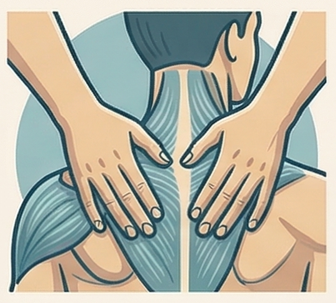
Manual Therapy
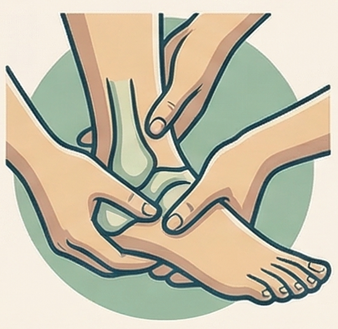
Joint mobilization
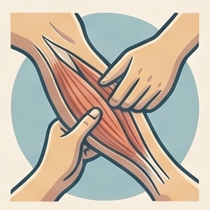
Myofascial and soft tissue release
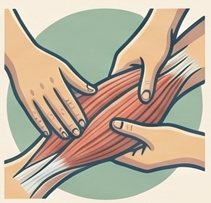
Active release techniques
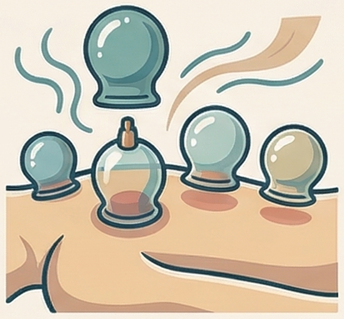
Cupping therapy
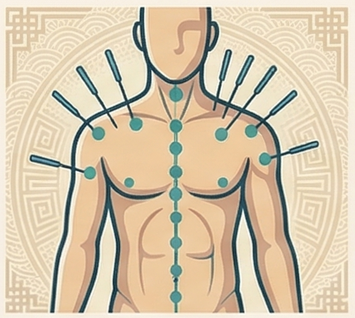
Acupuncture & dry needling
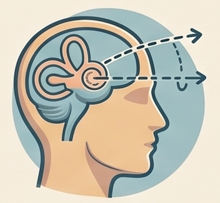
Vestibular & vertigo rehabilitation
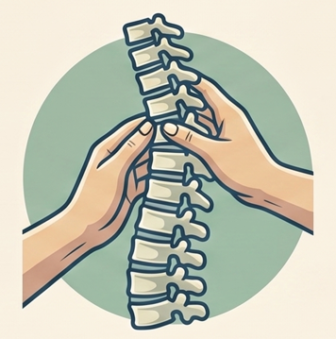
Spinal manipulation (lumbar, lumbo pelvic, lumbo sacral)
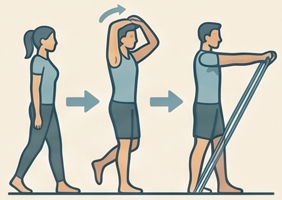
Customized exercise programs